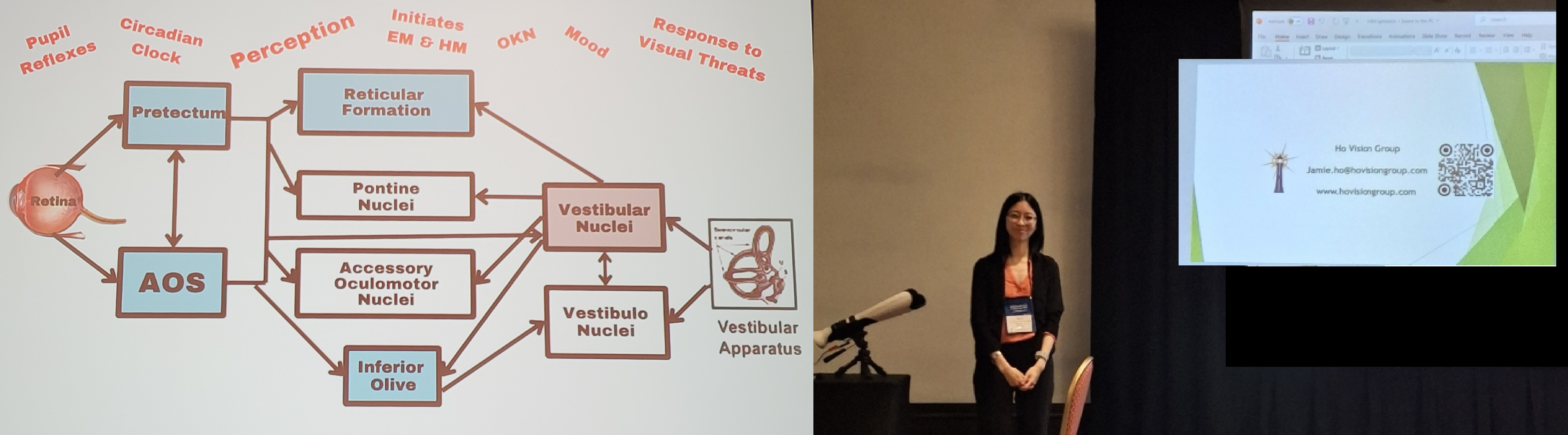
Light does more than help us see. When light enters the eyes, it sends signals through the retina to important brain pathways, including the hypothalamic tracts. These pathways help control sleep, cognition, mood, focus, heart rate, and stress. In simple terms, the kind of light we are exposed to can change how our nervous system… Continue reading How Light Shapes the Nervous System: Highlights from the 92nd International Conference on Light and Vision
Low Vision and Neuro-rehabilitation Optometrist: Dr. Ho

Tag: vision rehabilitation
Concussion and Vision Problems
Last week, Dr. Ho presented a few hours of continuing education on “Concussion Management for Optometrists” and “How to Better Serve Concussion Patients” to optometrists and the paraoptometric staff at Tennessee Association of Optometric Physician’s annual meeting in Gatlinburg, Tennessee. This continuing education seminar provided clinical pearls of diagnosing and subtle clinical presentations of patients… Continue reading Concussion and Vision Problems
Heart Rate Variability and Syntonic Phototherapy
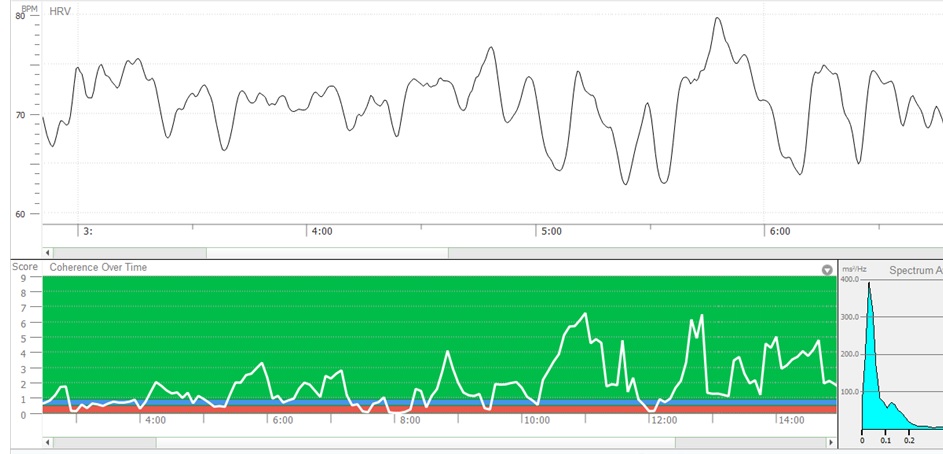
Dr. Ho had the pleasure of presenting “My Approach to using Heart Rate Variability for Syntonic Phototherapy Assessment in a Highly Symptomatic TBI Patient” at the annual College of Optometrist in Vision Development (COVD) meeting in Toronto last month. Heart Rate Variability Heart rate variability (HRV) is the fluctuation of time intervals between heartbeat that… Continue reading Heart Rate Variability and Syntonic Phototherapy
MENDS
To repair or to recover one’s health. Here are some tips to maximize your success in vision rehabilitation. M – Mindfulness and Meditation Meditation is training you to be mindful (being aware of the moment in your thoughts, sensations, and environment. Close your eyes and focus on your breathing. Breathe a little slower and deeper… Continue reading MENDS
Vision Loss
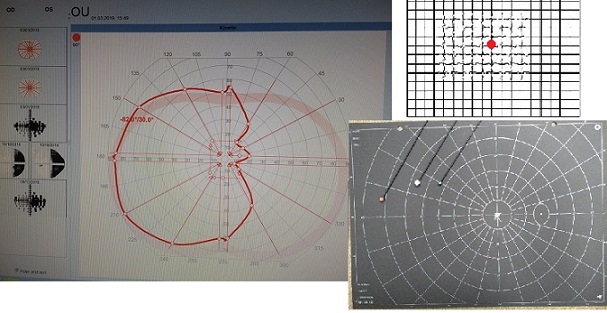
How does one define vision loss? To most, it means to have a decrease in vision, or to not be able to see as clearly as one once had. Vision loss can also be with a person has lost parts of their visual field which in turn makes them unable to process information as a… Continue reading Vision Loss
4SIGHT Open House
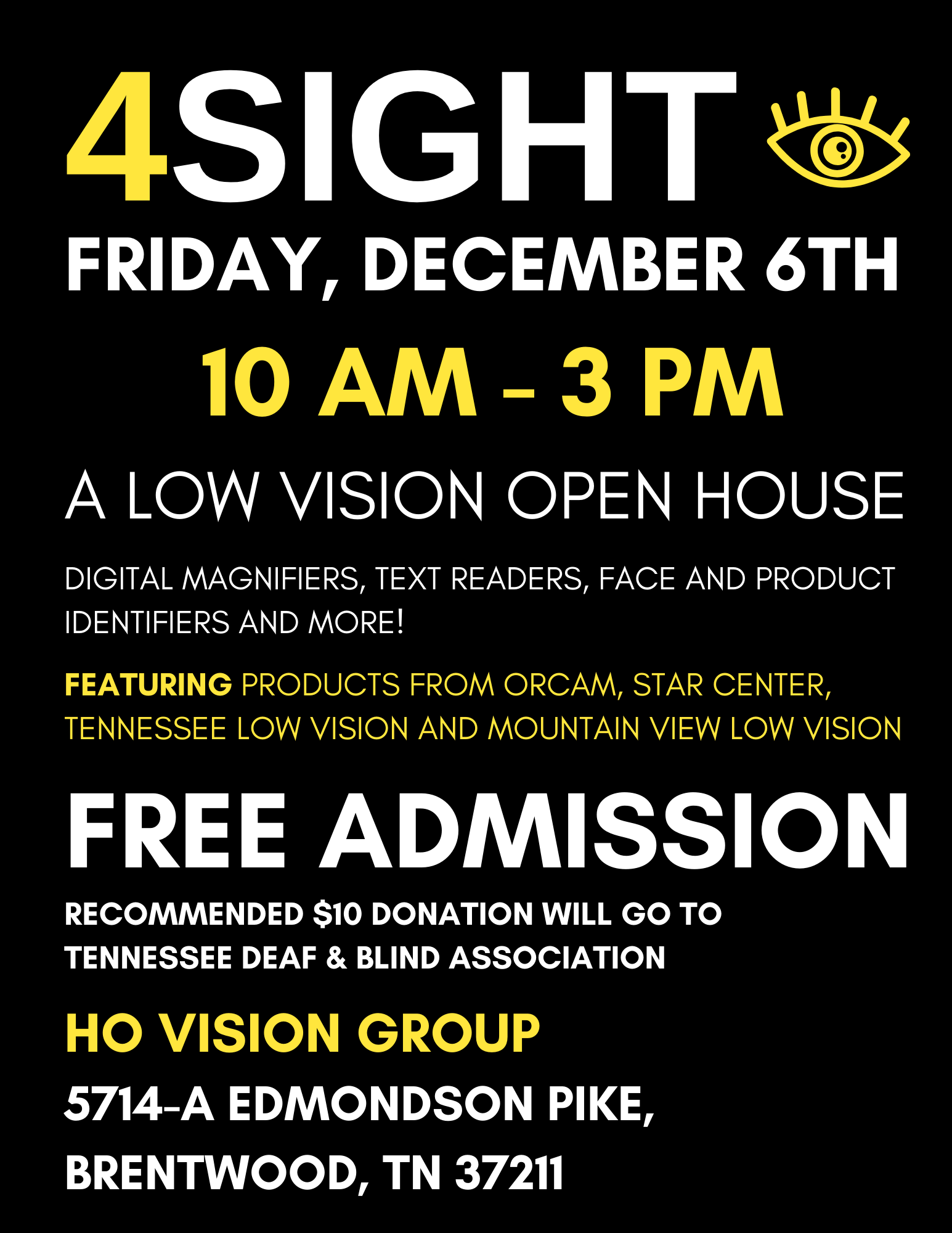
4SIGHT low vision open house will be held at our new location 5714 A Edmondson Pike Nashville Tennessee 37211. This will be held in conjunction with our regular open house so if you want to drop in and check out our new space here at Ho Vision Group, you are welcomed to do so until… Continue reading 4SIGHT Open House
Skeffington’s Model of Vision – Part 2
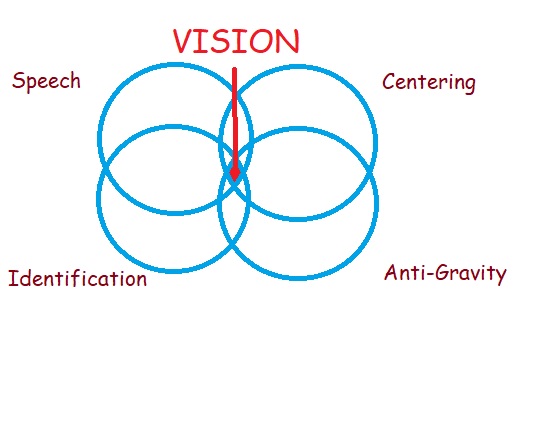
This is a guest blog (part 2, please click here for part 1) about Skeffington’s model of vision and Vision from Linda who attended her first College of Optometrists in Vision Development meeting (www.covd.org) earlier this year.The third circle is identification, which does not need much explanation besides “What is it?”. Identification is having the… Continue reading Skeffington’s Model of Vision – Part 2
A Typical Day in the Life Of a Neuro-Optometrist
What is a Neuro-Optometrist? Vision Rehabilitation therapy helps improve the efficiency of the visual skills (eye control, eye focusing or accommodation, and eye teaming or vergence), and assist in the integration of vision with other sensory systems such as vestibular (ears) and proprioception (body) for balance and orientation.
Changes in Visual Perception: What Is Neuro-optometry?

Neuro-optometry aims to address functional disruptions resulting from damaged communication from the eye to the brain usually from acquired brain injury (ABI) including trauma, stroke, tumors, and concussions. These patients may have one or multiple symptoms affecting vision, balance, mobility, and ability to complete daily activities. Functional Vision problems following an ABI Loss of visual fields… Continue reading Changes in Visual Perception: What Is Neuro-optometry?
Seeing Two: Double Vision
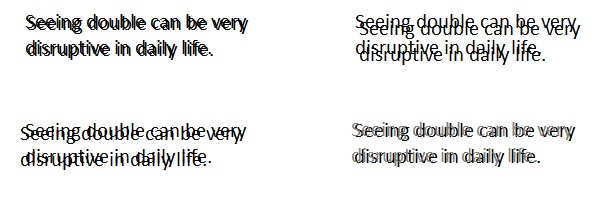
Double vision does not always appear as two distinct objects to a person; instead, it can appear as shadows and sometimes visual blur. True double vision occurs when the eyes do not point at the same direction at the same time. Misalignment between the eyes can be a result from eye muscle weakness or imbalances,… Continue reading Seeing Two: Double Vision