To repair or to recover one’s health. Here are some tips to maximize your success in vision rehabilitation. M – Mindfulness and Meditation Meditation is training you to be mindful (being aware of the moment in your thoughts, sensations, and environment. Close your eyes and focus on your breathing. Breathe a little slower and deeper… Continue reading MENDS
Low Vision and Neuro-rehabilitation Optometrist: Dr. Ho

Tag: stroke
Commitment to “Learn Vision”

Before starting this job, I did not ever think of someone having to commit to learn vision. I assumed vision was automatic and did not realize how connected vision is to everything. Vision connects to our brain, our balance, and our mobility. It is more than seeing, it is the experience. So when we lose… Continue reading Commitment to “Learn Vision”
Changes in Visual Perception: What Is Neuro-optometry?

Neuro-optometry aims to address functional disruptions resulting from damaged communication from the eye to the brain usually from acquired brain injury (ABI) including trauma, stroke, tumors, and concussions. These patients may have one or multiple symptoms affecting vision, balance, mobility, and ability to complete daily activities. Functional Vision problems following an ABI Loss of visual fields… Continue reading Changes in Visual Perception: What Is Neuro-optometry?
Vision and Balance

How does vision and balance relate? In this clinic, we get frequent referrals for patients who are suffering from dizziness and are often surprised that vision contributes a major part to their symptom of disorientation, falling, or lightheadedness. The Vestibular System Every part of the body is a different organ system: eyes, ears, skin, stomach,… Continue reading Vision and Balance
Visual Perception: The Visual Challenges of Reading – Part 2

Visual perception skills, such as spatial relations and figure-ground, are a necessary foundation for reading. On the most basic level, one must be able to differentiate words, letters, and punctuation marks. Developmental research has demonstrated that first grade students’ failures in visual perception directly affects their reading and writing skills. In contrast those with strong… Continue reading Visual Perception: The Visual Challenges of Reading – Part 2
The Visual Challenges of Reading – Part 1

Reading is an incredibly complex skill. Comprehension of written material is a result of coordinated eye movements, recognition of letter, numbers, or forms, and memory retrieval of existing facts, logic, vocabulary, and much more. Eye movements important for reading include: Fixation – The ability to keep the visual image still despite body and head movements. Our… Continue reading The Visual Challenges of Reading – Part 1
Vision Problems after Brain Injury and Stroke
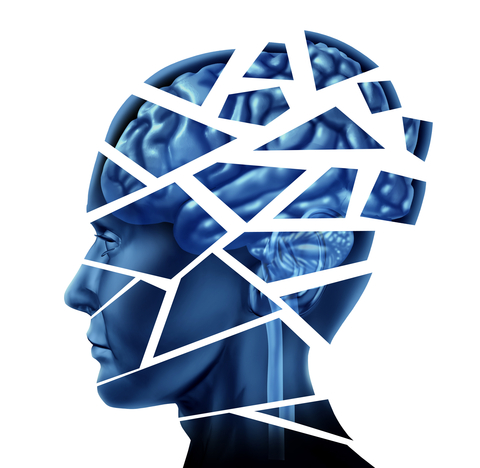
What are common vision problems after brain injury and stroke? Most people are unaware that the tissue of the back of the eye is actually brain tissue. Information travels from the eye directly to visual cortex which is located at the back of the brain. From here, information is relayed to various parts of the… Continue reading Vision Problems after Brain Injury and Stroke
What is Low Vision?
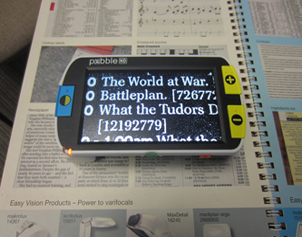
So what is low vision? Low vision refers to poor vision that is NOT correctable by glasses, contact lenses, surgery, or medicine. It can affect people of all ages, but is usually associated with older adults. Patients may describe this impairment in the form of missing vision, distorted spots, tunnel vision, or having legal blindness.The… Continue reading What is Low Vision?