
Today in honor of Women’s Entrepreneur Day last weekend, I will share the story that many patients have asked me to share on how I became a neurorehabilitation provider. I tell them I have taken the road less traveled by and worked in many different settings that each provided me with unique insight. Research… Continue reading My Journey As a Neurorehabilitation Provider
Low Vision and Neuro-rehabilitation Optometrist: Dr. Ho

Tag: prism glasses
What is a Refraction?
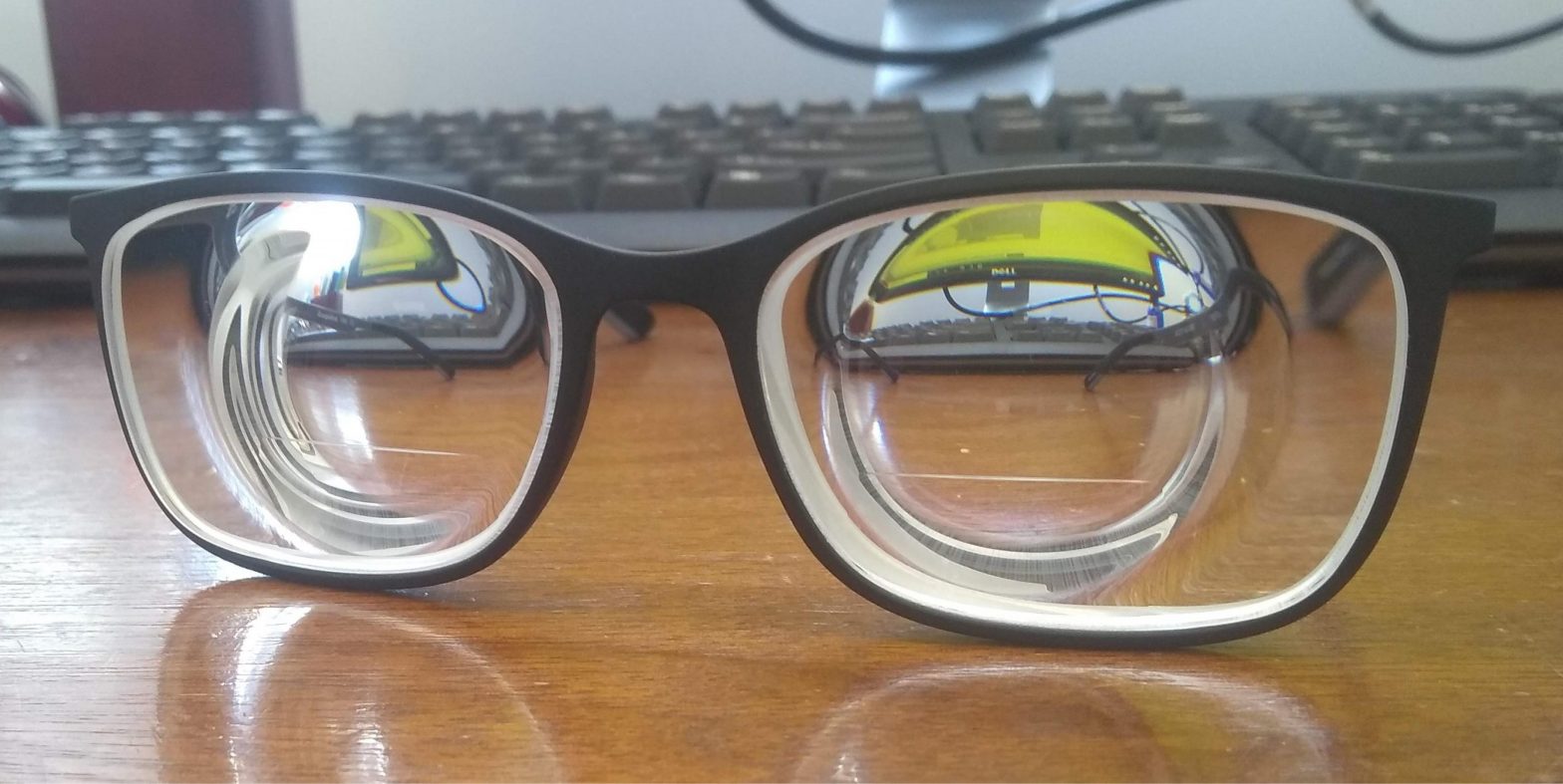
The refraction is the process of determining a glasses or contact lens prescriptions. To many people, the refraction is just the number on the lens that allows one to see the 20/20 visual acuity line. After one reaches adulthood, many people assume that this number should not change much just like their shoe size. Many… Continue reading What is a Refraction?
Prism Glasses as a Tool in Vision Rehabilitation
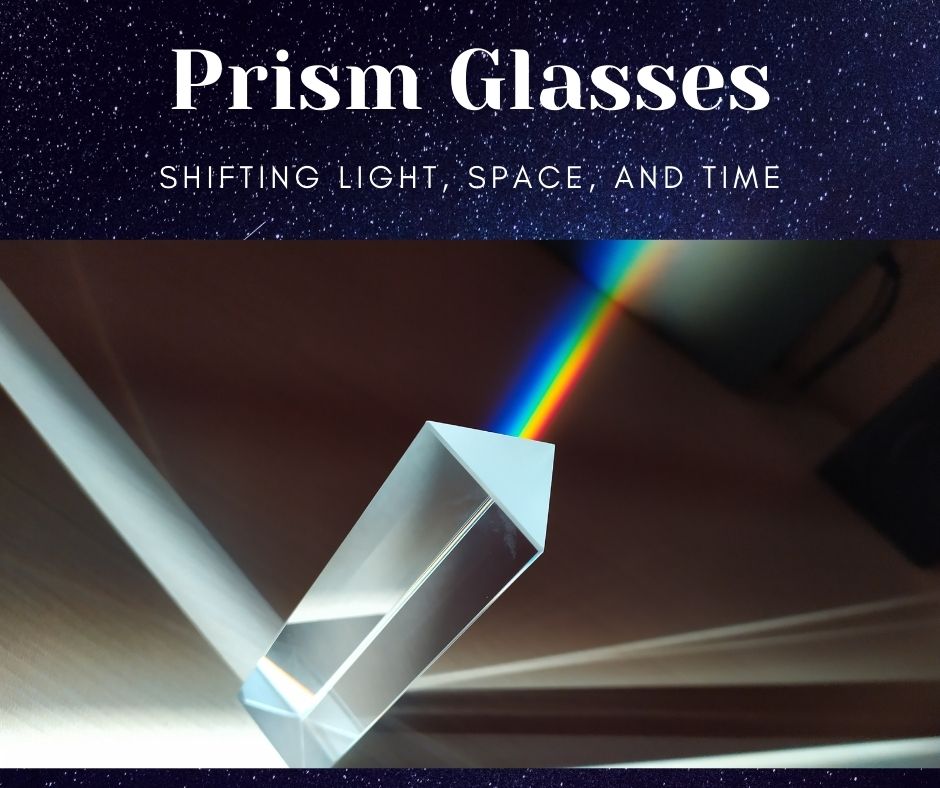
Prism Glasses are a powerful rehabilitation tools that have the unique ability to bend light, shift space and alter time perception.
Vision Loss
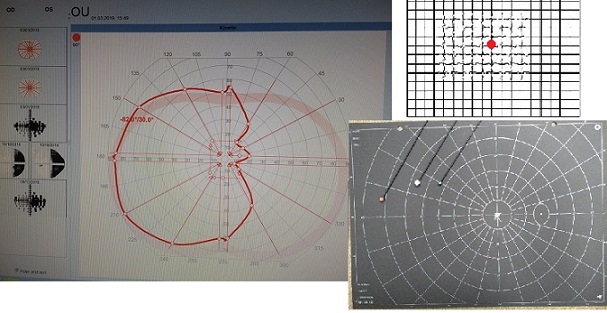
How does one define vision loss? To most, it means to have a decrease in vision, or to not be able to see as clearly as one once had. Vision loss can also be with a person has lost parts of their visual field which in turn makes them unable to process information as a… Continue reading Vision Loss
Vision in Parkinsons Disease
common visual problems many patients with Parkinson’s disease (PD) experience includes: reduced contrast, double vision, dry eye syndrome, depth perception difficulties
A Typical Day in the Life Of a Neuro-Optometrist
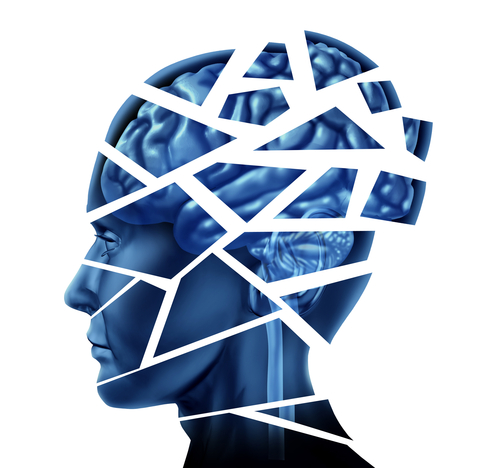
What is a Neuro-Optometrist? Vision Rehabilitation therapy helps improve the efficiency of the visual skills (eye control, eye focusing or accommodation, and eye teaming or vergence), and assist in the integration of vision with other sensory systems such as vestibular (ears) and proprioception (body) for balance and orientation.
Seeing Two: Double Vision
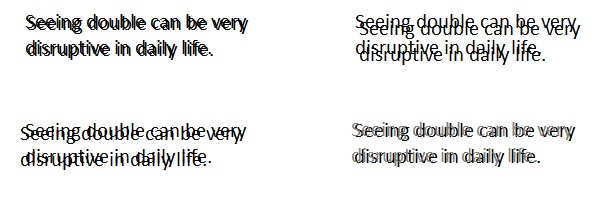
Double vision does not always appear as two distinct objects to a person; instead, it can appear as shadows and sometimes visual blur. True double vision occurs when the eyes do not point at the same direction at the same time. Misalignment between the eyes can be a result from eye muscle weakness or imbalances,… Continue reading Seeing Two: Double Vision
Vision and Balance

How does vision and balance relate? In this clinic, we get frequent referrals for patients who are suffering from dizziness and are often surprised that vision contributes a major part to their symptom of disorientation, falling, or lightheadedness. The Vestibular System Every part of the body is a different organ system: eyes, ears, skin, stomach,… Continue reading Vision and Balance