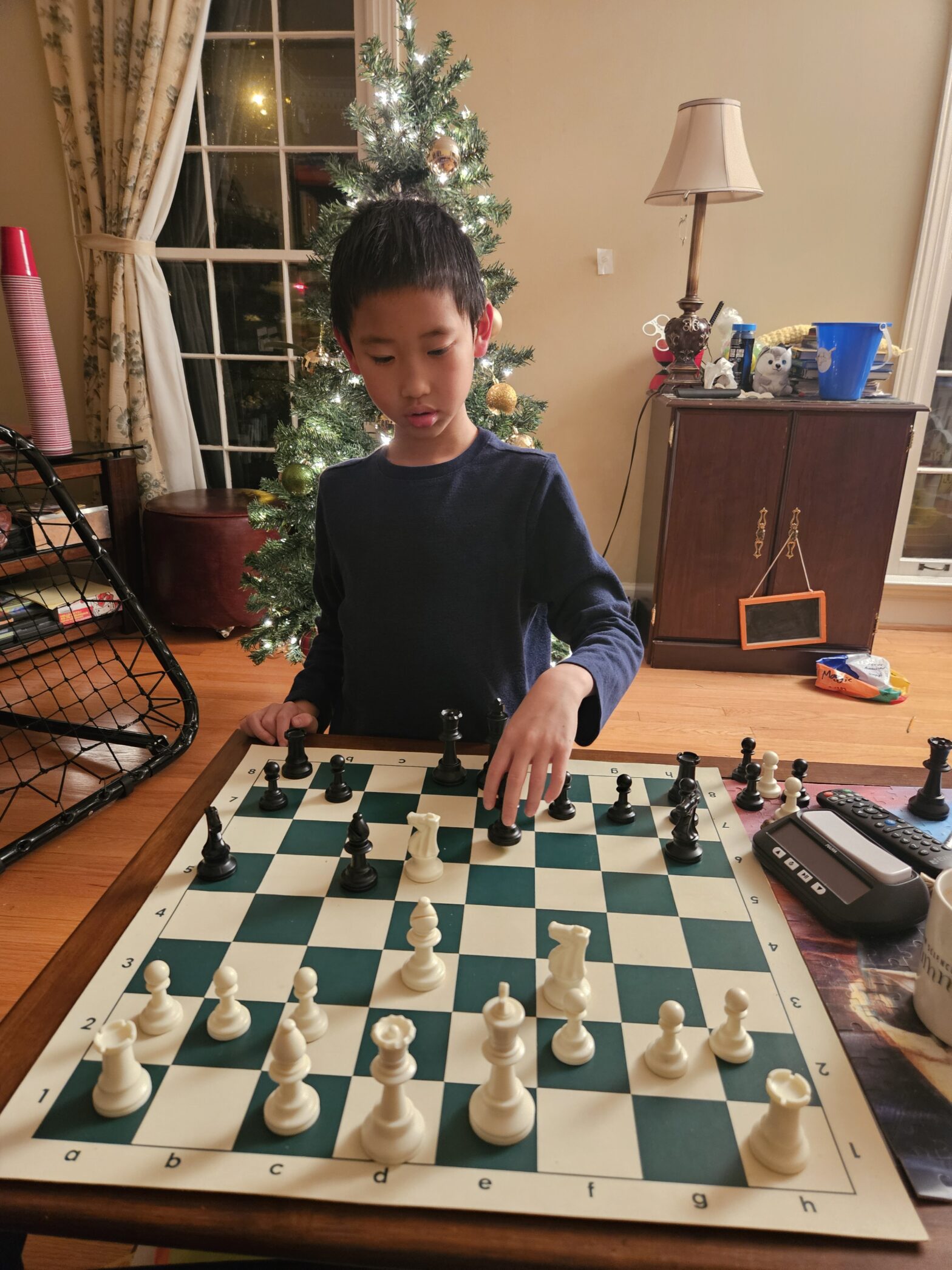
Visual perception as your brain’s way of turning what your eyes see into what you understand. It is the visual skills that answers the question: “What am I looking at?” In chess, players don’t just look at the board – they see, remember, and imagine future moves. Some of the visual skills used in… Continue reading Visual Perception and Chess: How the Eyes and Brain Work Together on the Board
Low Vision and Neuro-rehabilitation Optometrist: Dr. Ho

Tag: functional vision
How Light Shapes the Nervous System: Highlights from the 92nd International Conference on Light and Vision
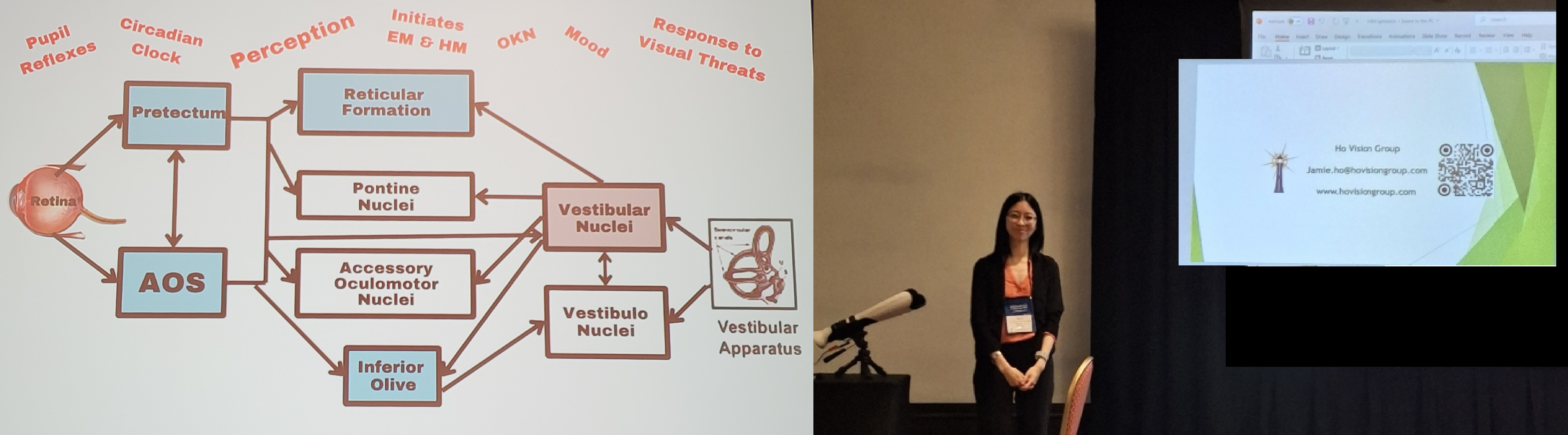
Light does more than help us see. When light enters the eyes, it sends signals through the retina to important brain pathways, including the hypothalamic tracts. These pathways help control sleep, cognition, mood, focus, heart rate, and stress. In simple terms, the kind of light we are exposed to can change how our nervous system… Continue reading How Light Shapes the Nervous System: Highlights from the 92nd International Conference on Light and Vision
Imperfect Fusion in Low Vision – Why Eye Teaming Matters
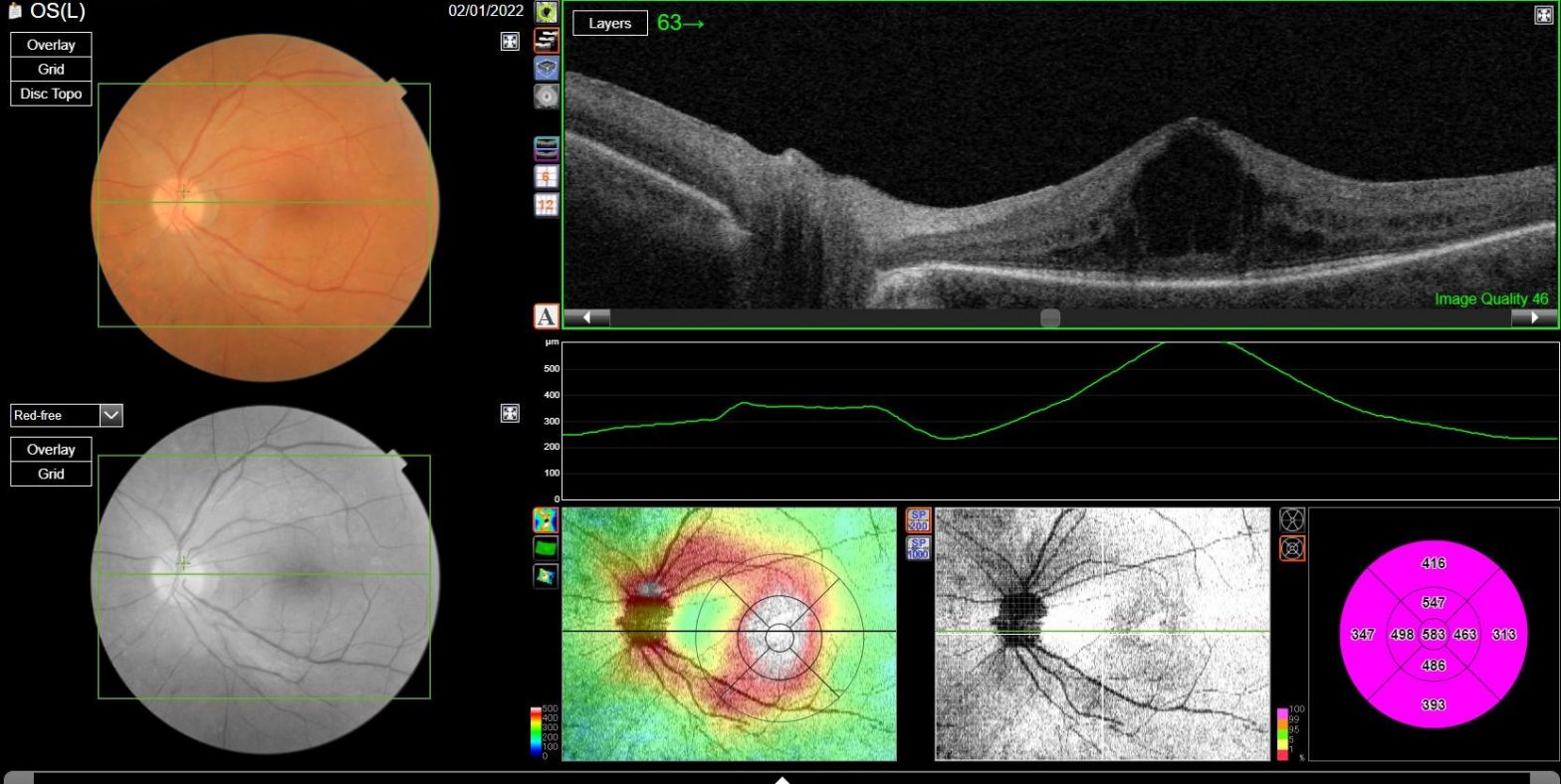
Low vision can be a challenging and sometimes confusing condition, especially when it comes to understanding how it impacts the way our eyes work together. To grasp this better, let’s start with a basic concept: how our eyes normally work together to give us a clear, single view of the world. How Our Eyes… Continue reading Imperfect Fusion in Low Vision – Why Eye Teaming Matters
Successful Neuro-Optometric Rehabilitation for Post-COVID-19 Syndrome
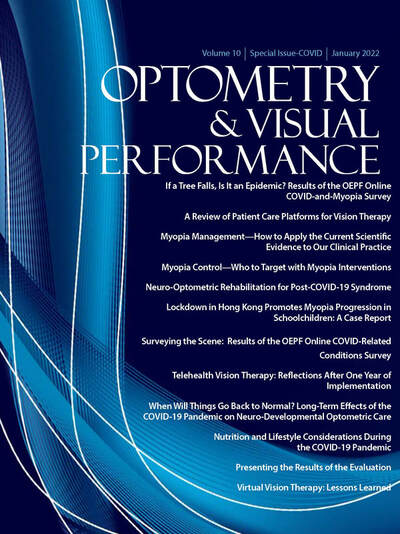
COVID can affect Vision Did you know that COVID can result in changes to vision similar to those who have had traumatic brain injuries? Dr. Ho shares her case on how neuro-optometric rehabilitation successfully helped a patient with post-COVID-19 syndrome return to work and quality of life. This case was published Jan 2022 in Optometry… Continue reading Successful Neuro-Optometric Rehabilitation for Post-COVID-19 Syndrome
Commitment to “Learn Vision”

Before starting this job, I did not ever think of someone having to commit to learn vision. I assumed vision was automatic and did not realize how connected vision is to everything. Vision connects to our brain, our balance, and our mobility. It is more than seeing, it is the experience. So when we lose… Continue reading Commitment to “Learn Vision”
Vision beyond Nearsightedness
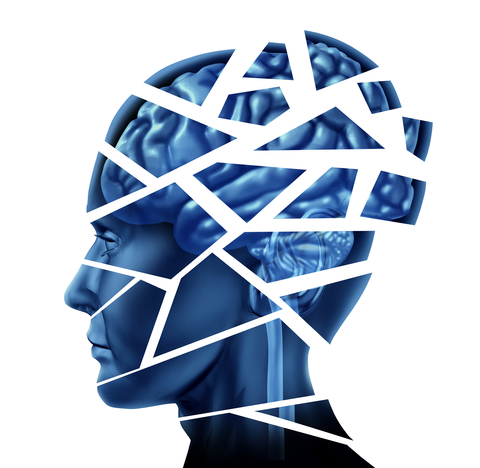
Most of my life I have been in and out of Optometrist’s office for my nearsightedness. I was no stranger to the different tests that occur in most offices like color, acuity, depth, and visual field. I attended at a university in California where I majored in health science. This was where I took classes… Continue reading Vision beyond Nearsightedness
Skeffington and Vision – Part 1
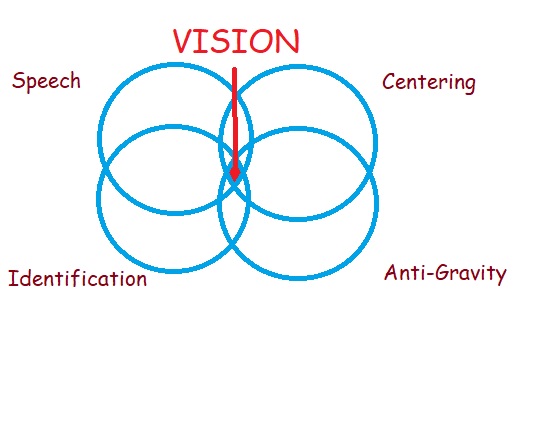
Understanding Skeffington’s circles will help you understand that a person does not need sight to have vision
Good Vision for School Success

What type of vision is needed for children to be successful in school?? It’s the time of the year when parents prepare for their children to go back to school after a fun filled summer. Most parents have a checklist of what their child needs to have done before the first day of school. The… Continue reading Good Vision for School Success
Beyond 20/20: What Is Normal Vision?
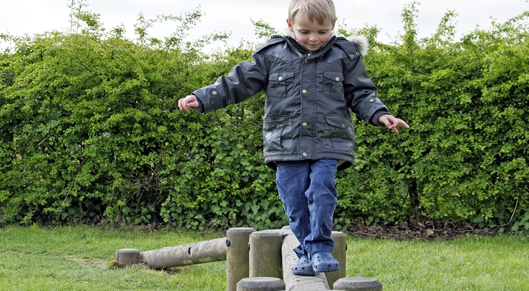
Everyone with what we term as “normal vision”, associates vision in terms of how good we can see and read. 20/20 is what most people think is normal or good vision; however, vision is more than being able to read letters and words. Vision is how we perceive things in our surroundings and space, it… Continue reading Beyond 20/20: What Is Normal Vision?
Primitive Reflexes

Primitive reflexes are involuntary responses to stimuli that helps infants grow and develop safely in their world outside of the womb. These responses are developed in the central nervous system to protect the infant, and as the child develops, these reflexes are designed to become integrated when the frontal lobes of the brain develops. Not… Continue reading Primitive Reflexes