
Decreases in contrast sensitivity and altered color perception can occur as a result from many eye conditions, such as glaucoma, diabetic retinopathy, cataracts, and macular degeneration to name a few, as well as some congenital eye diseases. Contrast sensitivity plays an important role in helping distinguish an object from its background. How Contrast Sensitivity Impacts… Continue reading Through Rose-Colored Glasses… The importance of Contrast Sensitivity
Low Vision and Neuro-rehabilitation Optometrist: Dr. Ho

Category: Functional Vision
What Is Lazy Eye?

Lazy eye, or amblyopia, refers to vision loss due to the eye and brain not properly working together despite having a physically normal and healthy eye. Lazy eye can happen to one or both eyes. The most common causes of lazy eye include: an imbalance in uncorrected prescription between the eyes which leads the brain… Continue reading What Is Lazy Eye?
Vision and Sight are Not the Same
As a newbie in a Neuro-Optometric Physicians’ office I was asked to comment on “What Does Vision Mean To You”. As most people do, I understand an optometrist to be someone who determines if a person needs glasses. If they do need glasses, the optometrist will determine the prescription needed by the patient. The end… Continue reading Vision and Sight are Not the Same
Vision Problems after Brain Injury and Stroke
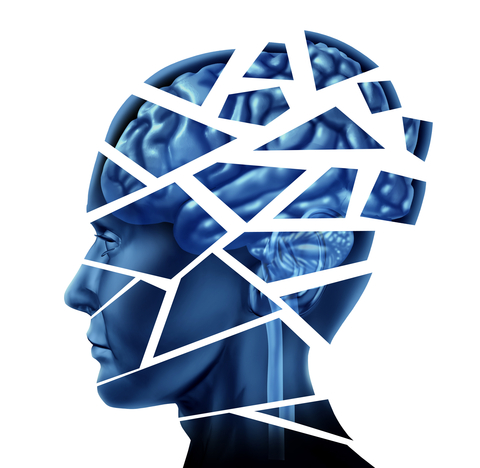
What are common vision problems after brain injury and stroke? Most people are unaware that the tissue of the back of the eye is actually brain tissue. Information travels from the eye directly to visual cortex which is located at the back of the brain. From here, information is relayed to various parts of the… Continue reading Vision Problems after Brain Injury and Stroke