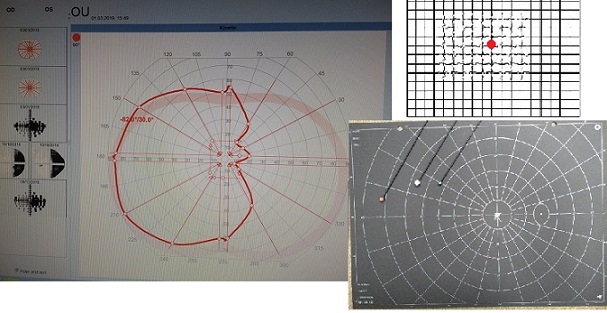
How does one define vision loss? To most, it means to have a decrease in vision, or to not be able to see as clearly as one once had. Vision loss can also be with a person has lost parts of their visual field which in turn makes them unable to process information as a… Continue reading Vision Loss
Low Vision and Neuro-rehabilitation Optometrist: Dr. Ho

Category: Functional Vision
Vision Problems in Concussion

Last week, Dr. Ho presented “Concussion for the Primary Care Optometrist” at her local optometric society meeting (http://www.midtnods.com). This continuing education seminar provided clinical pearls and signs of the types of vision problems that occur following a concussion.Concussions are considered mild traumatic brain injury (TBI) and are responsible for 7500 yearly ER visits in Tennessee… Continue reading Vision Problems in Concussion
Vision in Parkinsons Disease
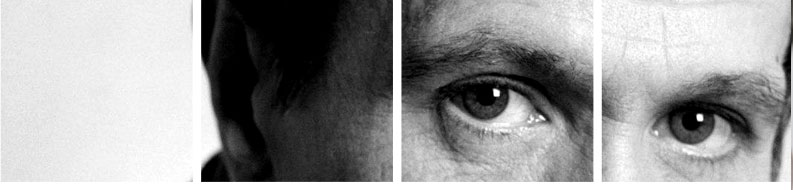
common visual problems many patients with Parkinson’s disease (PD) experience includes: reduced contrast, double vision, dry eye syndrome, depth perception difficulties
Skeffington’s Model of Vision – Part 2
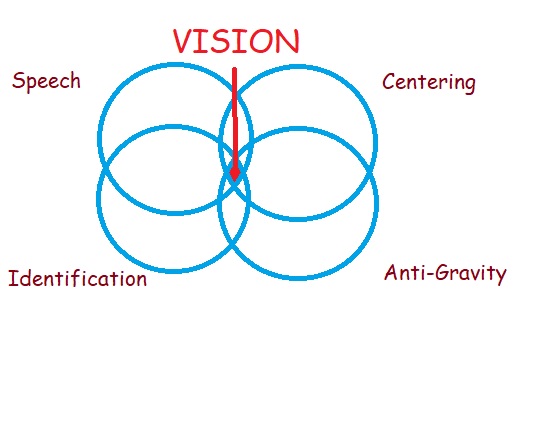
This is a guest blog (part 2, please click here for part 1) about Skeffington’s model of vision and Vision from Linda who attended her first College of Optometrists in Vision Development meeting (www.covd.org) earlier this year.The third circle is identification, which does not need much explanation besides “What is it?”. Identification is having the… Continue reading Skeffington’s Model of Vision – Part 2
Skeffington and Vision – Part 1
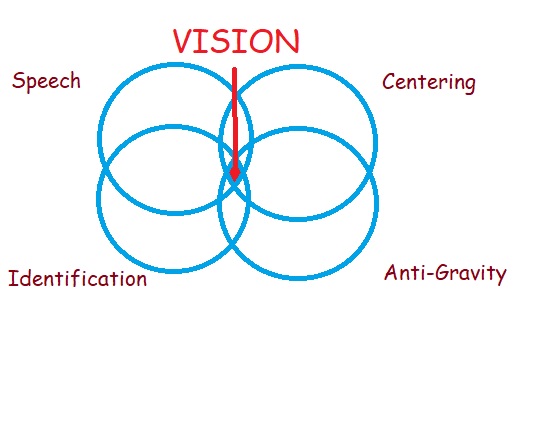
Understanding Skeffington’s circles will help you understand that a person does not need sight to have vision
A Typical Day in the Life Of a Neuro-Optometrist
What is a Neuro-Optometrist? Vision Rehabilitation therapy helps improve the efficiency of the visual skills (eye control, eye focusing or accommodation, and eye teaming or vergence), and assist in the integration of vision with other sensory systems such as vestibular (ears) and proprioception (body) for balance and orientation.
Visual Skills for Driving

Although in many states, visual acuity and visual field are the only screening tests performed when obtaining a driver’s license, there are many functional visual skills for driving that are important. Research evaluating driving often uses physical measures of driving behavior (e.g. speed, braking, latency, scanning behavior, lane positioning). Research shows in particular that cognitive… Continue reading Visual Skills for Driving
Good Vision for School Success

What type of vision is needed for children to be successful in school?? It’s the time of the year when parents prepare for their children to go back to school after a fun filled summer. Most parents have a checklist of what their child needs to have done before the first day of school. The… Continue reading Good Vision for School Success
Changes in Visual Perception: What Is Neuro-optometry?

Neuro-optometry aims to address functional disruptions resulting from damaged communication from the eye to the brain usually from acquired brain injury (ABI) including trauma, stroke, tumors, and concussions. These patients may have one or multiple symptoms affecting vision, balance, mobility, and ability to complete daily activities. Functional Vision problems following an ABI Loss of visual fields… Continue reading Changes in Visual Perception: What Is Neuro-optometry?
It’s not Just Optics, It’s An Art

This is an insightful piece from our receptionist Kathryn about glasses beyond just the optics and offering hope. My observations are mainly through contact with our patients, not from a clinical perspective. My observations tell me that vision can be a “moving target”. You need a good diagnostician to determine what may benefit and help… Continue reading It’s not Just Optics, It’s An Art